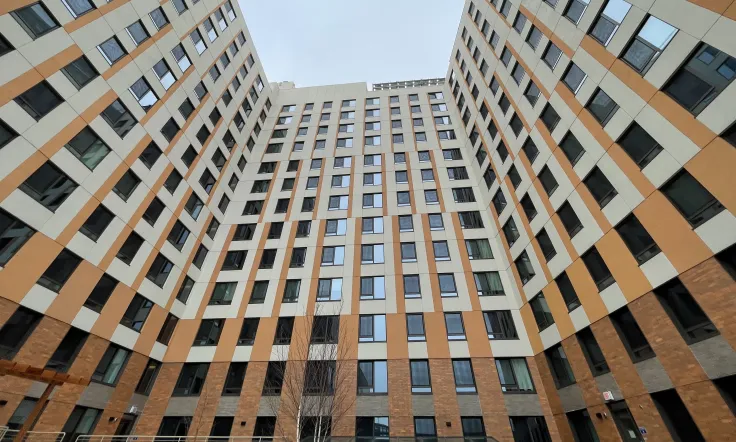
Why DP Ratings Matter More in Coastal and High-Wind Regions
Two buildings can have similar designs, comparable window sizes, and even the same number of stories—yet require very different window performance. The reason often comes down to location and exposure.
In coastal and high-wind regions, factors such as building height, surrounding terrain, storm risk, and local code requirements can significantly increase the pressures placed on windows and doors. That makes window DP ratings more than a technical detail on a product data sheet.
For architects and developers, understanding design pressure requirements early can help guide product selection before specifications, budgets, and procurement are finalized. Addressing DP ratings from the start can reduce late-stage substitutions, documentation gaps, and coordination issues while helping ensure the building envelope is designed for the conditions it will actually face.
The Same Window Doesn't Perform the Same Job Everywhere
Window performance requirements are highly project-specific. A system that works for a protected low-rise building may not provide the structural performance needed for a waterfront development or an exposed high-rise.
Several conditions can change what a project requires:
Where is the building?
Coastal and hurricane-prone locations can experience more demanding wind conditions, making structural and weather performance especially important.
How exposed is it?
A waterfront building or one surrounded by open terrain may experience greater wind pressure than a similar building protected by dense surrounding development.
How tall is it?
Wind pressures can increase with elevation. As a result, upper floors may require different performance levels than openings closer to ground level.
How large are the openings?
Window dimensions and configurations also influence structural demands. Larger units may require different framing, reinforcement, or tested configurations to meet the required design pressure.
This is why a standard window specification cannot simply be applied from one project to another. Window selection should follow project conditions—not the other way around.
DP Is Pressure, Not Wind Speed
One of the most common misunderstandings around window performance is treating a DP rating as if it were a wind-speed rating. They are related, but they are not interchangeable.
The Common Misunderstanding
A DP40 window, for example, does not mean the window is rated for 40 mph winds. Design pressure is based on the pressure applied to the window or door assembly, not a direct miles-per-hour measurement.
Confusing the two can lead to incorrect specifications—and potentially unnecessary costs if a system is significantly over-specified.
What DP Actually Tells You
DP stands for Design Pressure and represents the pressure a window or door system is designed and tested to resist. It is typically expressed in pounds per square foot (psf).
Windows must also respond to pressure in both directions:
Positive pressure pushes inward against the building.
Negative pressure creates suction that pulls outward on the assembly.
The required DP therefore needs to come from the project's actual wind-load conditions. Once that requirement is established, project teams can select a tested window or door system capable of supporting those loads.
A DP Number Never Tells the Whole Story
A strong design pressure rating is important, but it should never be evaluated in isolation. In coastal and high-wind environments, windows and doors must manage several forces at the same time—and the complete assembly needs to perform as intended.
Think of it in three parts:
Wind → Structural resistance. Can the frame, glazing, hardware, and anchoring withstand the required positive and negative pressures without compromising the assembly?
Rain → Water resistance. Can the system resist wind-driven rain and prevent water from penetrating the building envelope under demanding conditions?
Pressure → Air infiltration. Can gaskets, seals, and interfaces limit uncontrolled air leakage as pressure differences increase?
This is why project teams should look beyond a single DP number and review the testing behind the complete system. Frame design, glazing, hardware, seals, and installation all contribute to real-world performance.
A strong DP rating matters, but resilient fenestration depends on the complete tested assembly.
Where DP Problems Usually Show Up in a Project
DP issues rarely begin at one specific stage. More often, an early assumption carries forward until the project reaches a point where changing the window system becomes significantly more complicated.
During Design: Window types, sizes, and configurations may already be taking shape before the required design pressures have been confirmed. If those requirements change later, the selected systems may need to be reconsidered.
During Budgeting: Pricing may be based on a window or door system that does not meet the project's final performance requirements. Once the correct DP rating is established, budgets can shift unexpectedly.
During Submittals: This is often where performance gaps become visible. Product testing, sizes, or supporting documentation may not align with what was specified, creating additional review and coordination.
During Procurement: If the selected product cannot satisfy the required rating, substitution may become necessary. That can affect cost, lead times, dimensions, and even architectural intent.
During Construction: The product itself may meet the required performance, but anchoring or installation conditions may differ from the tested assembly. That disconnect can create another layer of compliance and performance risk.
The pattern is simple: the later a DP issue is discovered, the more expensive and disruptive it can become to solve. Confirming requirements early gives project teams more flexibility to coordinate performance, design, budget, and procurement before those decisions become difficult to change.
Higher Isn't Always Smarter
When it comes to DP ratings, a higher number is not automatically a better specification. The goal is to select a window or door system that meets the actual performance requirements of the project.
Under-specification creates risk. Over-specification can create unnecessary cost and constraints.
The correct design pressure should reflect several project-specific factors:
Calculated wind loads
Building height and elevation
Window or door dimensions
Site exposure
Applicable building codes
System type and configuration
Specifying more performance than the project requires can increase costs or unnecessarily limit product options. Specifying too little can create compliance issues, substitutions, and redesigns later.
The smarter approach is to establish the required DP early and match the fenestration system accordingly. In coastal and high-wind projects, the right rating matters more than simply the highest rating.
Five Questions to Answer Before the Window Schedule Is Final
Before window types, sizes, and performance requirements are locked into the schedule, project teams should confirm a few critical details:
What design pressures are required at each elevation?
Confirm the calculated pressures the window and door systems must resist.
Do requirements change by floor or façade?
Wind exposure can vary across a building, meaning one DP rating may not necessarily apply everywhere.
Are the proposed window sizes covered by tested configurations?
Performance data should support the actual sizes and configurations being specified—not simply the product family.
What air, water, structural, and impact requirements apply?
DP is only part of the performance picture, particularly in coastal and hurricane-prone regions.
Does the manufacturer have documentation to support the specified performance?
Verified testing and supporting documentation should be available to demonstrate that the proposed system meets project requirements.
Answering these questions early gives architects, consultants, and developers greater confidence that the selected systems align with the project's conditions. It also allows specifications, budgets, submittals, and procurement to move forward with fewer surprises later.
Coastal Projects Demand a Whole-System Conversation
In coastal and high-wind regions, selecting a window based on its DP rating alone is not enough. Real-world performance depends on how the structure, glazing, frame, hardware, anchoring, and installation work together as a complete system.
A window may meet the required structural rating, but the project must also account for air infiltration, water penetration, glazing requirements, and how the assembly connects to the surrounding building envelope. Each element can influence whether tested performance translates successfully to the field.
This is where early manufacturer involvement can add value. INTUS works with architects, developers, façade consultants, and project teams to evaluate project requirements and identify window and door systems suited to demanding applications.
With commercial-grade systems, CW and AW options, advanced glazing configurations, and strong structural, air, and water performance, INTUS can support projects where multiple performance requirements must be addressed simultaneously. Technical documentation and specification support also help teams verify system capabilities before design and procurement decisions are finalized.
For coastal projects especially, the strongest specification is not built around a single rating. It comes from ensuring that every part of the fenestration system is coordinated for the conditions the building will actually face.
The Best Time to Solve a DP Problem Is Before It Becomes One
DP ratings may look like a technical detail on a product data sheet, but in coastal and high-wind regions, they can influence d43ecisions across the entire project. Product selection, code compliance, budgeting, documentation, procurement, and building envelope performance can all be affected by whether the correct requirements are established early.
Waiting until submittals or procurement to identify a DP mismatch can leave teams with fewer options and more expensive solutions. Confirming project-specific requirements during design creates more flexibility to select appropriate systems, coordinate documentation, and align performance expectations with the budget.
Ultimately, effective DP specification is as much about project planning as it is about window performance. The earlier teams understand what the building requires, the easier it becomes to make informed decisions and avoid unnecessary changes later.
Planning a coastal or high-wind project? Talk to the INTUS Windows team about performance-rated window and door systems before specifications and budgets are finalized.