Designing for Acoustic Comfort in Urban Buildings
In today's cities, buildings are expected to do more than provide shelter—they are expected to support occupant health, comfort, and overall quality of life.
Urban environments present unique challenges when it comes to noise control. Traffic, public transportation, construction activity, aircraft, and dense pedestrian activity can all contribute to elevated noise levels that impact occupants throughout the day. Research from the World Health Organization has linked excessive environmental noise to negative impacts on health, wellbeing, sleep quality, and cognitive performance, making noise reduction an important component of healthy building design.
For multifamily residential buildings, offices, schools, healthcare facilities, and mixed-use developments, acoustic performance is no longer viewed as a luxury feature—it is becoming a core component of occupant experience. Creating quieter interior environments requires a holistic approach to building envelope design, with particular attention paid to how sound enters and moves through the building.
Windows play a central role in this conversation. Advanced window systems contribute not only to thermal performance but also to meaningful noise reduction in demanding commercial environments. Solutions such as INTUS' commercial window systems and Passive House-certified window solutions demonstrate how high-performance fenestration can support both acoustic and energy-performance objectives within the same building envelope strategy.
Why Acoustic Comfort Matters in Modern Buildings
For decades, building performance discussions have focused primarily on energy efficiency, sustainability, and occupant health. Today, acoustic comfort is increasingly being recognized as an equally important component of the indoor environment. As urban density continues to increase and buildings are constructed closer to transportation corridors, commercial centers, and mixed-use developments, managing noise has become a growing priority for project teams.
The effects of poor acoustic performance vary by building type:
In multifamily buildings, unwanted exterior noise can impact resident satisfaction and perceived building quality.
In offices, excessive noise can affect concentration, productivity, and employee wellbeing.
In schools and educational facilities, quieter environments help support learning and focus.
In healthcare settings, acoustic comfort can contribute to patient recovery and overall occupant experience.
As a result, acoustic comfort is increasingly viewed as part of a broader strategy for occupant wellness and indoor environmental quality. Just as project teams evaluate daylight access, thermal comfort, and indoor air quality, they are also considering how buildings can create quieter and more comfortable interior environments.
For architects and developers, this shift presents an opportunity to think beyond minimum code requirements and focus on performance outcomes that directly impact occupants. Buildings that successfully manage noise can deliver a better user experience while supporting broader goals around comfort, wellness, and long-term building performance.
Understanding How Noise Enters a Building
Designing for acoustic comfort begins with understanding how noise enters a building in the first place. In urban environments, occupants are exposed to a wide range of external noise sources that can affect comfort, concentration, and overall building experience. Effective noise reduction strategies depend on identifying these sources and understanding how sound travels through the building envelope.
The most common type of noise affecting buildings is airborne noise—sound that travels through the air before passing through walls, windows, doors, or other building components. Common sources include:
Road traffic
Rail lines and public transportation
Aircraft
Construction activity
Pedestrian and street noise
Emergency vehicles and sirens
Another form of noise is structure-borne noise, which travels through physical building components such as floors, walls, and structural systems. While both can impact occupants, airborne noise is often the primary concern in dense urban environments.
For many buildings, windows and glazing systems represent the most vulnerable part of the building envelope when it comes to sound transmission. Even highly insulated walls can have their acoustic performance compromised if the fenestration system is not designed to manage exterior noise effectively.
This is why acoustic performance should be evaluated as part of the entire building envelope strategy. Factors such as glazing configuration, frame design, airtightness, and installation quality all influence how much sound enters the building. High-performance fenestration systems, including advanced commercial window solutions, can help reduce exterior noise transmission while supporting broader goals related to energy efficiency, occupant comfort, and building envelope performance.
For architects and developers working in urban environments, understanding how sound moves through the building envelope is often the first step toward creating quieter, more comfortable interior spaces.
The Role of Windows in Acoustic Performance
When it comes to controlling exterior noise, windows are often the most important component of the building envelope. While walls, insulation systems, and structural assemblies can provide significant sound attenuation, glazing systems frequently represent the largest pathway for sound transmission into a building.
This is particularly true in urban environments, where large window openings are often desirable for daylighting, views, and architectural design. Without the proper acoustic strategy, these same openings can become a source of unwanted noise that impacts occupant comfort and overall building performance.
Glass Configuration Matters
Not all glazing systems perform the same acoustically. Glass thickness, pane configuration, airspace depth, and the use of laminated or specialized acoustic glass can all influence how effectively a window reduces sound transmission.
High-performance glazing systems are designed to help reduce exterior noise while still supporting daylight access, thermal performance, and energy efficiency. For many urban projects, acoustic glazing becomes an important consideration alongside other performance requirements such as sustainability and occupant comfort.
Frame Performance and Airtightness
Acoustic performance is about more than the glass itself. The frame and sealing system also play a significant role in reducing sound transmission.
In fact, there is a strong relationship between airtightness and acoustic performance. Openings that allow air infiltration often allow sound to enter as well. High-performance window systems with advanced frame technologies, multiple gasket systems, and superior airtightness can help improve both energy efficiency and acoustic comfort.
Installation Quality and Acoustic Outcomes
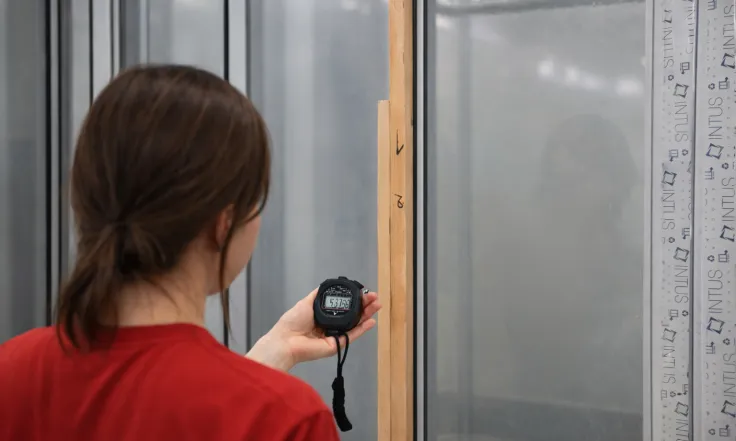
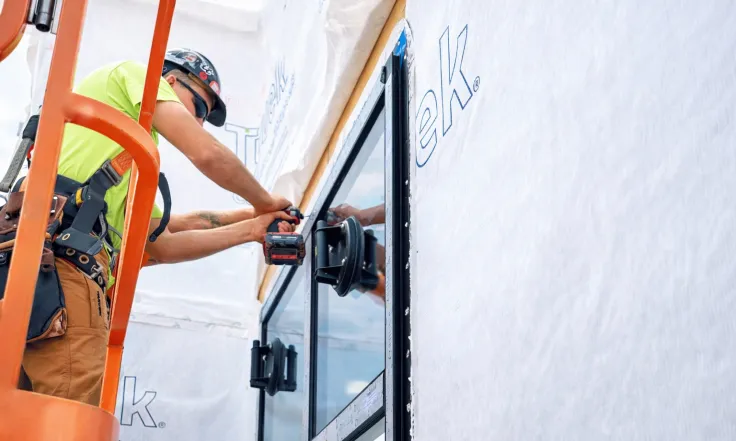
Even the highest-performing acoustic glazing can underperform if installation is not properly executed. Gaps around the window perimeter, poor air barrier integration, and inadequate detailing can all reduce the effectiveness of the acoustic assembly.
This is why acoustic performance should be considered as part of the complete window system—not just the glass specification. The combination of glazing, frame design, airtightness, and installation quality ultimately determines how effectively a building can reduce exterior noise.
For architects and developers pursuing high-performance building envelopes, acoustic comfort should be evaluated alongside energy efficiency, thermal performance, and occupant wellness. A properly designed and installed window system can contribute to all of these objectives while helping create quieter, more comfortable interior environments.
Designing for Acoustic Comfort in Multifamily and Commercial Buildings
Acoustic comfort requirements vary by building type, but the goal remains the same: creating interior environments that support the needs of occupants. Whether designing multifamily housing, schools, healthcare facilities, or office buildings, controlling unwanted noise is an important part of delivering a high-quality occupant experience.
As urban density continues to increase, project teams are placing greater emphasis on acoustic performance as part of broader building envelope and occupant wellness strategies.
Multifamily Occupant Expectations
For multifamily residential buildings, acoustic comfort has become a key factor in resident satisfaction. Occupants increasingly expect their homes to provide a quiet refuge from surrounding urban activity, particularly in dense city environments.
Exterior noise from traffic, public transportation, construction, and street activity can significantly impact the perceived quality of a residential building. High-performance building envelopes and advanced glazing systems help reduce noise transmission while supporting other important objectives such as energy efficiency, occupant comfort, and long-term building performance.
Many modern multifamily developments are incorporating high-performance window systems as part of a comprehensive approach to building envelope performance and resident experience.
Learning and Healthcare Environments
In schools and educational facilities, acoustic comfort directly affects learning outcomes. Excessive background noise can interfere with speech intelligibility, concentration, and student engagement, making effective acoustic design an important component of educational environments.
Healthcare facilities face similar challenges. Noise can influence patient comfort, recovery, and overall wellbeing, while also affecting staff performance and communication. For these building types, controlling exterior noise helps create calmer and more supportive indoor environments.
Workplace Productivity and Comfort
Office and mixed-use buildings are increasingly focused on creating environments that support productivity, collaboration, and employee wellbeing. While workplace design often emphasizes lighting, flexibility, and indoor air quality, acoustic comfort plays an equally important role.
Reducing exterior noise intrusion can help improve concentration, minimize distractions, and create more comfortable workspaces. In urban office environments, high-performance fenestration systems can contribute to quieter interiors while supporting broader goals related to energy efficiency and building envelope performance.
Across all building types, acoustic comfort is becoming an essential element of high-performance building design. Project teams that address acoustics early in the design process are better positioned to create spaces that support occupant wellness, satisfaction, and long-term building value.
Balancing Daylight, Views, and Noise Control
One of the most common misconceptions in building design is that larger glazing areas automatically lead to poorer acoustic performance. While expansive windows can increase exposure to exterior noise if poorly specified, modern fenestration technologies allow project teams to achieve acoustic comfort without sacrificing daylight, views, or architectural intent.
Today's high-performance glazing systems are engineered to address multiple building performance objectives simultaneously. In addition to supporting thermal efficiency and occupant comfort, advanced acoustic glazing solutions can help reduce sound transmission while preserving the transparency and daylighting benefits that architects and occupants value.
For architects, the challenge is often balancing aesthetics with performance. Large window openings, floor-to-ceiling glazing, and contemporary façade designs have become defining characteristics of modern construction. At the same time, occupants increasingly expect quieter and more comfortable interior environments. Successful projects address both requirements through careful façade design and strategic fenestration selection.
Ultimately, acoustic comfort does not have to come at the expense of daylight, views, or architectural expression. With the right combination of glazing, frame technology, and building envelope design, project teams can create spaces that are visually connected to their surroundings while remaining comfortable and quiet inside.
Acoustic Performance Is Part of Building Performance
Building performance is often measured through metrics such as energy efficiency, operational carbon, and indoor air quality. However, for occupants, performance is experienced differently. A building may be highly efficient from an energy standpoint, but if it is noisy, uncomfortable, or disruptive to daily activities, the occupant experience suffers.
This is why acoustic comfort is increasingly being recognized as an important component of overall building performance. Alongside thermal comfort, daylighting, and indoor environmental quality, acoustics contribute directly to how occupants experience a space and how effectively a building supports its intended use.
Acoustic performance is also closely connected to other aspects of the building envelope. The same characteristics that help improve thermal performance—such as high-performance glazing, airtight construction, and well-designed envelope assemblies—often contribute to better sound control as well. Buildings that effectively manage air leakage typically perform better acoustically because sound and air often travel through many of the same pathways.
As a result, acoustics should not be treated as a standalone design consideration addressed late in the project. Instead, it should be incorporated into the broader building envelope strategy from the earliest stages of design. Evaluating acoustic performance alongside energy efficiency, thermal comfort, and occupant wellness allows project teams to create more balanced and higher-performing buildings.
For architects and developers pursuing high-performance building design, the goal is not simply to create energy-efficient buildings—it is to create buildings that perform well for the people who occupy them. Acoustic comfort is an important part of achieving that outcome.
Better Buildings Sound Better
As cities become denser and expectations for occupant experience continue to rise, acoustic comfort is becoming an increasingly important part of building performance. Creating quieter interior environments is no longer simply about reducing distractions—it is about supporting occupant wellness, comfort, productivity, and overall quality of life.
The building envelope plays a critical role in achieving these outcomes. While acoustics are often considered separately from energy efficiency, the two are closely connected. High-performance glazing, airtight construction, and well-designed envelope systems can help reduce both sound transmission and energy loss, contributing to a more comfortable and efficient building.
For architects and developers, this means acoustic performance should be considered early in the design process alongside thermal performance, daylighting, and sustainability goals. A building that performs well acoustically is often a building that performs better overall.
At INTUS, we help project teams design high-performance building envelopes that support both thermal and acoustic comfort. Through advanced commercial window systems, Passive House-certified solutions, and collaborative project support, we help architects, developers, and consultants create buildings that are designed for the realities of modern urban environments.
Want to Learn More?
Explore INTUS high-performance window solutions