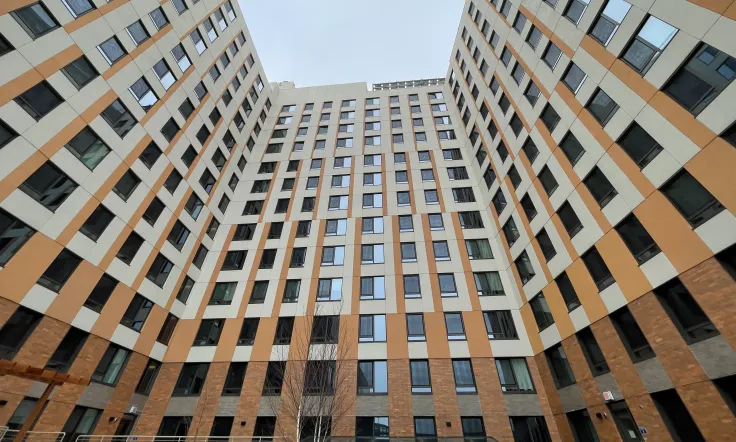
Designing for Summer Comfort: Why Window Performance Matters
As summer temperatures continue to rise, creating comfortable indoor environments has become a growing priority for architects, developers, and building owners. While air conditioning plays an important role, relying solely on mechanical cooling can lead to higher energy costs, increased operational carbon, and inconsistent indoor comfort.
The most effective strategy begins with the building envelope. High-performance windows help control solar heat gain, improve thermal insulation, and reduce unwanted air infiltration, limiting the amount of heat that enters a building before the HVAC system needs to respond.
The result is more than lower cooling loads. Better window performance creates more stable indoor temperatures, reduces overheating, and enhances occupant comfort throughout the summer months. By selecting the right glazing, frame design, and window system, project teams can create buildings that stay cooler, perform more efficiently, and deliver lasting comfort in warm weather.
Why Windows Are Critical for Summer Comfort
Windows are one of the most important components influencing a building's performance during the summer. Because they allow natural light to enter while also being exposed to direct sunlight, they are a major pathway for solar heat gain. Without the right window system, interior spaces can quickly become warmer, increasing cooling demand and reducing occupant comfort.
The performance of the glazing has a direct impact on indoor temperatures. High levels of solar heat gain can create hot spots near windows, uneven temperatures throughout a space, and greater reliance on air conditioning to maintain comfortable conditions. In contrast, high-performance windows are designed to manage heat transfer more effectively, helping buildings stay cooler while still maximizing daylight.
Poor-performing windows don't just affect comfort—they also increase energy consumption. As more heat enters the building, HVAC systems must run longer and work harder to remove it, leading to higher operating costs and greater mechanical wear over time.
This is why building envelope performance is so important. By improving the thermal performance of windows through advanced glazing, efficient frame design, and superior airtightness, buildings can naturally resist summer heat before it impacts indoor conditions. The result is better summer window performance, lower cooling loads, and healthier, more comfortable spaces for occupants.
The Biggest Factors Affecting Window Performance in Summer
A window's ability to keep a building comfortable during the summer depends on more than the type of glass it uses. Several performance characteristics work together to determine how much heat enters the building and how efficiently indoor temperatures can be maintained.
Solar Heat Gain
Solar heat gain refers to the amount of heat from the sun that passes through a window and into the building. While natural daylight is desirable, excessive solar heat gain can quickly lead to overheating, particularly in buildings with large glazed façades or extensive southern and western exposures.
As indoor temperatures rise, cooling systems must work harder to remove the additional heat, increasing both energy consumption and operating costs.
One of the most important metrics for evaluating this performance is the Solar Heat Gain Coefficient (SHGC). This rating indicates how much solar radiation passes through a window. In cooling-dominated climates, selecting glazing with an appropriate SHGC helps reduce unwanted heat gain while still allowing natural light to enter the building.
Thermal Insulation
Thermal insulation is often associated with keeping heat inside during winter, but it plays an equally important role in the summer. Windows with lower U-values reduce the transfer of heat through the glazing and frame, helping prevent outdoor heat from entering conditioned spaces.
Better thermal insulation contributes to:
Reduced unwanted heat transfer;
More consistent indoor temperatures;
Lower cooling demand throughout the day.
This allows buildings to remain comfortable with less reliance on air conditioning, even during periods of high outdoor temperatures.
Airtightness
Even the highest-performing glazing can lose effectiveness if warm outdoor air is able to leak through the window system. Poor airtightness allows uncontrolled air infiltration, forcing HVAC systems to work harder to maintain indoor comfort.
High-performance windows are designed with precision-engineered seals and advanced frame systems that minimize air leakage. Improved airtightness helps:
Prevent warm outdoor air from entering the building;
Improve HVAC efficiency;
Maintain more stable indoor temperatures;
Enhance overall thermal comfort for occupants.
When combined, effective solar control, strong thermal insulation, and superior airtightness create window systems that perform exceptionally well during the summer, reducing cooling loads while improving comfort and energy efficiency.
Choosing the Right Window System for Warm Climates
Selecting the right window system is one of the most effective ways to improve summer comfort and reduce cooling demand. Rather than focusing on a single component, architects and designers should consider how the entire window system works together to manage heat transfer while maintaining natural daylight and occupant comfort.
A well-designed window system for warm climates typically combines several high-performance features, including:
High-performance insulated glass units (IGUs) that help limit solar heat gain while providing excellent thermal insulation.
Advanced Low-E coatings that reflect infrared heat without significantly reducing visible daylight, allowing interiors to remain bright while staying cooler.
Thermally efficient polymer frames that minimize heat transfer through the frame and improve whole-window thermal performance.
Triple glazing, where appropriate, to provide additional insulation and reduce heat transfer. While not every warm-climate project requires triple glazing, it can offer significant benefits in buildings pursuing high-performance standards such as Passive House or net-zero energy.
The most effective solution will always depend on the project's location, orientation, glazing area, and performance goals. For example, a building in a cooling-dominated climate may prioritize lower solar heat gain, while a mixed-climate project may require a balance between summer cooling and winter heat retention.
Beyond Energy Savings: The Occupant Comfort Benefits
While reducing energy consumption is an important advantage of high-performance windows, the benefits extend far beyond lower utility bills. One of the most noticeable improvements is the impact on occupant comfort. A well-designed window system creates a more balanced indoor environment, making spaces feel more comfortable throughout the day—even during the hottest months of the year.
High-performance windows help deliver:
More consistent indoor temperatures, reducing the fluctuations that often occur in buildings with poor-performing glazing.
Fewer hot spots near windows, allowing occupants to comfortably use spaces that would otherwise become uncomfortably warm from direct solar exposure.
Reduced glare, creating more comfortable environments for working, learning, and relaxing without sacrificing access to natural light.
Better daylight quality, as advanced glazing technologies maximize visible light while limiting unwanted solar heat gain.
Improved indoor environmental quality, supporting a healthier and more enjoyable indoor experience through better thermal regulation and overall comfort.
These benefits are particularly important in residential buildings, offices, schools, and healthcare facilities, where occupant well-being and productivity are closely linked to the indoor environment. By improving thermal comfort and creating brighter, more balanced spaces, high-performance windows contribute to buildings that are not only more energy efficient but also more enjoyable to live and work in.
Supporting Long-Term Building Performance
Designing for summer comfort isn't just about improving conditions during the hottest months—it also influences how a building performs throughout its entire lifecycle. By limiting heat gain before it enters the building, high-performance windows deliver lasting benefits that extend well beyond seasonal comfort.
One of the most significant advantages is lower cooling loads. When less solar heat enters the building, air conditioning systems require less energy to maintain comfortable indoor temperatures. This not only improves efficiency but also reduces operating costs over time.
Lower cooling demand also contributes to reduced operational carbon. As HVAC systems consume less electricity, the building's overall carbon emissions decrease, supporting sustainability goals and helping projects meet increasingly stringent energy regulations.
With reduced heating and cooling demands, buildings may also require smaller HVAC systems. Properly sized equipment can operate more efficiently, experience less wear, and often require less maintenance throughout its service life.
Together, these benefits lead to better long-term energy efficiency. Rather than relying on mechanical systems to overcome weaknesses in the building envelope, high-performance windows help create buildings that naturally use less energy while maintaining comfortable indoor conditions.
As energy codes continue to evolve and expectations for sustainability increase, investing in high-performance window systems also helps create future-ready buildings. By strengthening the building envelope today, architects and developers can improve resilience, reduce long-term operating costs, and prepare projects for tomorrow's performance standards.
Why Architects and Developers Choose INTUS Windows
Creating comfortable, energy-efficient buildings starts with selecting window systems that are engineered for long-term performance. Architects and developers choose INTUS Windows because our systems are designed to reduce heat gain, improve thermal comfort, and support the demands of modern high-performance buildings.
Our high-performance glazing solutions are carefully engineered to manage solar heat gain while maximizing natural daylight, helping buildings stay cooler during the summer without compromising occupant comfort. Combined with thermally efficient polymer frames, INTUS window systems deliver exceptional whole-window performance by minimizing heat transfer and improving airtightness.
In addition to outstanding thermal performance, INTUS windows provide excellent acoustic insulation, creating quieter, more comfortable indoor environments for occupants. This combination of energy efficiency, thermal comfort, and sound control makes our systems well suited to a wide range of building types.
Whether you're designing a residential development, commercial building, retrofit project, or Passive House, INTUS offers high-performance window solutions that help improve building envelope performance, reduce cooling demand, and support long-term sustainability goals. Let's talk.