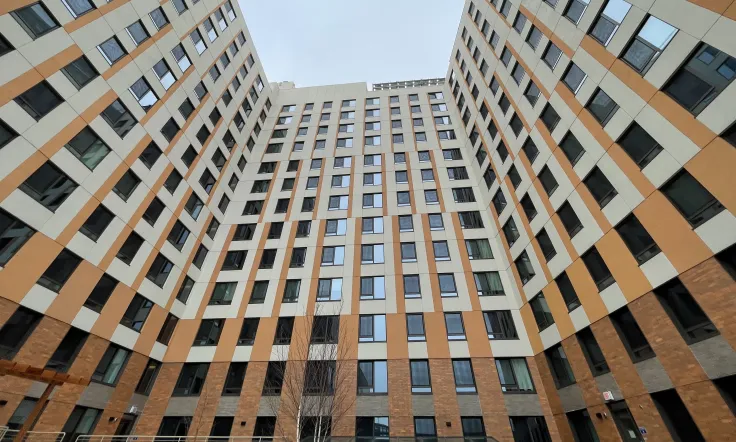
Designing for Resilience: What Hurricane Season Reminds Us About the Building Envelope
Hurricane season is a powerful reminder that buildings must perform under conditions far more demanding than everyday weather. High winds, driving rain, flying debris, and sudden pressure changes can quickly expose weaknesses that may otherwise remain unnoticed.
True building resilience depends on the entire building envelope working as a coordinated system. Walls, roofs, windows, doors, seals, and connections must all help protect the structure while maintaining air and water resistance.
Windows and doors are particularly critical because they create openings within that protective envelope. Their structural strength, glazing, airtightness, water resistance, and installation can directly influence how well a building responds to severe weather.
INTUS Windows supports architects and developers with high-performance window and door systems engineered to strengthen building envelope performance, improve long-term durability, and help create more resilient buildings.
What Does Building Envelope Resilience Really Mean?
A resilient building envelope is designed to protect the interior environment while maintaining performance under both everyday conditions and extreme weather. It brings together walls, roofs, windows, doors, insulation, air barriers, and connections as one coordinated system.
Meeting building code is an essential baseline, but building envelope resilience goes further. It considers how the building will perform over decades of exposure to wind, rain, temperature extremes, moisture, and increasingly unpredictable weather conditions.
A resilient envelope should be able to:
Resist high wind pressures without compromising structural integrity
Limit air and water infiltration during severe weather
Manage moisture to protect materials and assemblies
Maintain thermal performance and occupant comfort
Recover from extreme conditions without significant loss of performance
This long-term perspective is especially important during hurricane season. A building envelope must do more than withstand a single event—it should continue protecting occupants and maintaining its performance before, during, and after severe weather.
Designing for resilience therefore means looking beyond individual products and considering how every component works together. When windows, doors, walls, seals, and connections are properly specified and integrated, the entire building is better prepared to respond to demanding environmental conditions.
Hurricane Season Is a Stress Test for the Building Envelope
Hurricanes push building envelopes far beyond normal operating conditions. High winds, intense rainfall, flying debris, and rapid pressure changes can expose vulnerabilities that may remain hidden during everyday weather.
During severe storms, the envelope may face several challenges at once:
High wind pressures place significant structural loads on windows, doors, façades, and their connections.
Wind-driven rain can force water through gaps, weak seals, or poorly detailed interfaces.
Flying debris can damage glazing and other exposed components, potentially compromising the protective envelope.
Pressure changes create both inward and outward forces that test the structural capacity of façade systems.
Water and air leakage can lead to interior damage, moisture problems, and reduced envelope performance.
Weak connections between windows, walls, roofs, and other assemblies can become failure points even when the individual products perform well.
These conditions reinforce an important principle of resilient design: the building envelope performs as a system. A high-performance window cannot compensate for poor installation, just as a well-designed wall assembly cannot fully protect a building if its openings or connections fail.
Resilience therefore depends on ensuring that every component—and every interface between components—is designed, specified, and installed to work together under demanding conditions.
The Weakest Link Can Define Building Performance
A resilient building envelope is only as strong as its most vulnerable point. Even when individual components meet demanding performance requirements, weaknesses at openings, seals, connections, or installation interfaces can compromise the performance of the entire assembly during extreme weather.
Windows and Doors
Windows and doors are necessary openings in the building envelope, but they are also among its most exposed components. During hurricanes and other high-wind events, they must withstand significant positive and negative pressures while maintaining structural integrity.
Proper design pressure ratings help ensure fenestration systems are suited to the wind loads expected for a particular building, location, and exposure. In areas where windborne debris is a concern, impact-resistant glazing may also be required to help prevent the opening from being compromised during a storm.
Air and Water Management
Structural strength alone is not enough. A resilient window or door system must also control air and water movement when conditions become severe.
Airtight construction helps limit uncontrolled pressure-driven air infiltration, while effective water resistance protects interiors from wind-driven rain. Gaskets, seals, perimeter joints, and window-to-wall interfaces all play an important role in maintaining these performance layers.
Small weaknesses can become significant under hurricane conditions, which is why air and water management must be considered across the complete assembly rather than at the product level alone.
Connections and Installation
How a product connects to the surrounding building can ultimately determine whether its tested performance translates to the field. Anchoring must transfer structural loads appropriately, while flashing and sealing details must manage water and maintain continuity with the surrounding envelope.
Proper integration with wall assemblies is particularly important. Gaps or poorly coordinated transitions can create weak points where air, water, or structural forces bypass an otherwise high-performance system.
Even the most advanced window or door cannot deliver its intended performance without proper installation. Resilient design therefore requires equal attention to product selection, detailing, installation, and the connections between envelope components.
What Resilient Window Systems Need to Deliver
Resilient window design goes far beyond choosing stronger glass. During extreme weather, the glazing, frame, seals, hardware, anchoring, and installation must work together to maintain the integrity of the opening.
When evaluating high-performance windows for demanding conditions, project teams should consider:
Structural strength: The complete assembly must resist the wind forces expected at the building's location, height, and exposure.
Appropriate design pressure ratings: Window performance should be matched to project-specific wind load requirements rather than selected from a general building category.
Impact-resistant glazing where required: In windborne debris regions, impact-rated systems can help protect openings and maintain the building envelope during severe weather.
Laminated glass: An interlayer helps hold fractured glass together after impact, reducing the likelihood of a large opening developing in the envelope.
Air infiltration resistance: Strong seals and well-engineered assemblies help limit uncontrolled air movement under pressure.
Water penetration resistance: Windows must manage wind-driven rain and help prevent moisture from entering the building.
Durable frames and hardware: Frames, hinges, locks, and other components must remain secure and functional under demanding loads and long-term environmental exposure.
Tested whole-window performance: Ratings should reflect the complete assembly—not simply the glazing or another individual component.
This whole-system approach is particularly important when specifying wind-resistant windows and impact-resistant windows. Stronger glass alone does not create a resilient opening. The frame must support it, the hardware must secure it, the seals must manage air and water, and the installation must transfer loads correctly to the surrounding structure.
Ultimately, resilience comes from how effectively the complete window system performs together when conditions become demanding.
Designing for a Changing Climate
Resilient design is becoming increasingly important as buildings face a wider range of environmental stresses. Extreme heat, heavy rainfall, high winds, and severe storms can all place additional demands on the building envelope, making long-term performance an essential part of today's design decisions.
Historically, buildings have often been designed using past climate and weather conditions as a reference point. But buildings are expected to remain in service for decades, meaning the conditions they experience in the future may differ from those considered during initial design.
Creating climate-resilient buildings therefore requires a more forward-looking approach. Building envelopes should be designed to manage changing conditions while maintaining structural integrity, thermal performance, moisture control, and occupant comfort over time.
This also creates an important connection between resilient building design and sustainability. A durable, high-performance envelope can help:
Reduce heating and cooling demand
Lower operational carbon emissions
Protect building materials from moisture and weather-related damage
Improve occupant comfort during temperature extremes
Extend the useful life of building components
Resilience and decarbonization should not be treated as separate goals. Buildings that use less energy, maintain comfortable conditions, and withstand demanding environmental conditions are better positioned to deliver lasting value with fewer resource-intensive repairs and replacements.
By designing the envelope for both today's requirements and tomorrow's conditions, architects and developers can create buildings that are not only more sustainable, but better prepared for an evolving climate.
Building Resilience Into Every Layer
Hurricane season is a clear reminder that building envelope performance matters most when conditions become demanding. Resilience should not be treated as a last-minute response to severe weather—it should be designed into the project from the beginning.
Windows and doors are critical parts of that strategy, but they cannot perform in isolation. Their effectiveness depends on how well they integrate with walls, air barriers, flashing, seals, and structural connections across the entire envelope.
A stronger building envelope delivers value far beyond storm protection. Better air and water control, improved thermal performance, greater durability, and enhanced occupant comfort all contribute to buildings that perform more reliably throughout the year.
Designing a project where resilience matters? Talk to the INTUS technical team about high-performance window and door systems engineered for demanding building envelope requirements.