Winter Comfort: Why Window Performance Becomes More Noticeable in Cold Weather
When temperatures drop, the performance of a building envelope becomes much more noticeable. Rooms that felt comfortable during warmer months may suddenly develop cold spots, drafts, or condensation around windows. Heating systems work harder, and occupants begin noticing temperature differences that were less apparent throughout the rest of the year.
For architects, developers, and building owners, these seasonal changes reveal an important aspect of building performance: windows directly influence how comfortable interior spaces feel, particularly during winter.
Understanding why window performance becomes more noticeable in cold weather—and which fenestration characteristics matter most—can help project teams design buildings that maintain comfort, reduce heating demand, and perform consistently throughout the year.
Why Cold Weather Reveals Window Performance Issues
During winter, the temperature difference between indoor and outdoor environments increases significantly. This creates a stronger driving force for heat transfer through the building envelope, making poorly insulated windows and thermal bridges more noticeable.
Windows are particularly important because they generally provide less thermal resistance than surrounding insulated wall assemblies.
When glazing or frames have poor thermal performance, interior surfaces can become significantly colder than the surrounding room temperature.
This can create several problems:
Cold spots: Lower surface temperatures make areas near windows feel uncomfortable.
Drafts: Air leakage around window assemblies can introduce cold exterior air.
Condensation: Cold surfaces increase the likelihood of moisture forming on glass and frames.
Higher heating demand: Heat loss through windows places additional demand on mechanical systems.
These issues often become more apparent during colder months because the building envelope is operating under greater thermal stress.
Thermal Performance Is About More Than Indoor Air Temperature
One of the most overlooked aspects of winter comfort is the difference between air temperature and perceived thermal comfort.
A room can maintain its thermostat setpoint while occupants still feel cold near poorly insulated windows.
This happens because comfort is influenced not only by air temperature but also by the temperature of surrounding surfaces.
When interior glass surfaces are significantly colder than the room, occupants may experience radiant heat loss and discomfort.
High-performance glazing systems help address this challenge by maintaining warmer interior surface temperatures.
How Triple Glazing Improves Winter Comfort
Triple-pane glazing typically provides greater thermal resistance than conventional double-pane systems.
When combined with low-emissivity coatings, insulated gas fills, and thermally efficient frames, triple glazing can help:
Reduce heat loss through the window assembly
Maintain warmer interior glass surfaces
Minimize cold spots near windows
Improve overall thermal comfort
Reduce heating demand
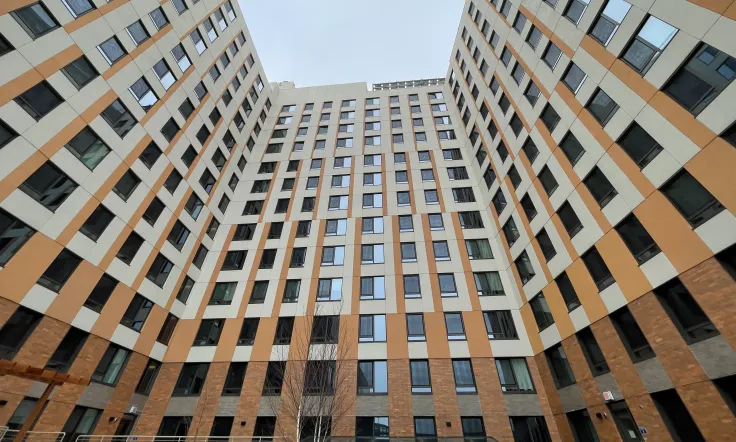
For multifamily, commercial, and institutional buildings, these improvements can contribute to more consistent indoor conditions throughout the winter.
Airtightness: Why Small Gaps Become More Noticeable in Winter
Not every draft is caused by poor insulation.
Air leakage around windows can introduce cold exterior air into occupied spaces, creating uncomfortable conditions even when the glazing itself performs well.
During winter, pressure differences caused by wind and stack effect can increase uncontrolled air movement through gaps in the building envelope.
Common areas of concern include:
Window-to-wall connections
Frame and sash seals
Perimeter joints
Improperly detailed air barriers
Installation interfaces
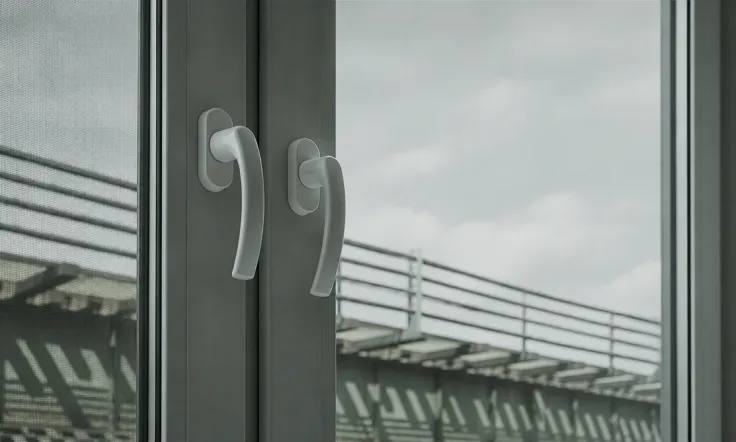
High-performance window systems incorporate advanced gasket configurations, precision-engineered frames, and locking hardware to help reduce air leakage.
However, airtightness also depends on installation quality. Even a well-performing window can allow unwanted air infiltration if the surrounding connections are not properly sealed.
For project teams pursuing Passive House performance standards, maintaining a continuous air barrier is essential to achieving both energy efficiency and occupant comfort.
Condensation: A Sign Worth Investigating
Condensation around windows often becomes more noticeable during colder weather.
When warm, humid indoor air meets a sufficiently cold surface, moisture can condense on the glass or frame.
While condensation does not automatically indicate a defective window, persistent moisture can signal conditions that require attention.
Potential contributing factors include:
Low interior glass surface temperatures
Conductive window frames
Thermal bridging around the glazing perimeter
Elevated indoor humidity
Inadequate ventilation
High-performance windows can help reduce condensation risk by maintaining warmer interior surface temperatures.
Thermally efficient frames, triple glazing, and warm-edge spacers all contribute to reducing cold areas within the window assembly.
However, effective humidity control and ventilation remain important parts of the overall building strategy.
Why Frame Performance Matters in Cold Climates
Glazing receives significant attention during window specification, but the frame also influences winter comfort.
Highly conductive framing materials can create localized areas of heat loss, reducing interior surface temperatures and increasing condensation risk.
Frame material selection should therefore be evaluated alongside glazing performance. The appropriate solution depends on project requirements, climate, structural demands, and architectural design.
For architects, evaluating whole-window U-factor rather than glazing performance alone provides a more complete understanding of how the assembly will perform during winter.
Designing for Winter Comfort Starts Before Construction
Winter performance issues are often difficult and expensive to address after a building is occupied.
For architects and project teams, the most effective approach is to evaluate thermal comfort and window performance during early design.
Important considerations include:
Whole-window U-factor: Evaluate the thermal performance of the complete assembly.
Glazing configuration: Select glazing appropriate for the project's climate and energy goals.
Frame performance: Minimize conductive heat transfer through framing components.
Airtightness: Specify window systems with tested air leakage performance.
Installation detailing: Maintain continuity between windows and surrounding air and thermal barriers.
Condensation resistance: Consider interior surface temperatures and expected indoor humidity conditions.
Evaluating these factors together helps project teams avoid treating window performance as an isolated product decision.
Instead, fenestration becomes part of a coordinated building envelope strategy designed to deliver consistent comfort throughout the year.
How INTUS Supports High-Performance Building Envelopes
At INTUS Windows, we understand that winter comfort depends on more than the glazing package alone.
Our high-performance window systems are engineered to support thermal efficiency, airtightness, and occupant comfort across demanding commercial and multifamily applications.
INTUS combines:
Advanced glazing technologies designed to reduce heat transfer and improve interior surface temperatures.
Thermally efficient frame systems that help minimize thermal bridging.
Airtight window assemblies designed to limit uncontrolled air infiltration.
Technical collaboration supporting architects and project teams from specification through installation coordination.
Building science expertise focused on measurable performance and long-term building outcomes.
By considering the complete building envelope rather than individual components, project teams can make more informed decisions that support both energy efficiency and occupant comfort.
Better Winter Comfort Starts with Better Window Performance
Cold weather makes building envelope weaknesses more noticeable, but many of these issues can be addressed through better design and specification decisions.
High-performance glazing, thermally efficient frames, airtight construction, and proper installation detailing all contribute to maintaining comfortable interior conditions when outdoor temperatures fall.
For architects and developers, the goal is not simply to reduce heating demand. It is to create buildings that remain comfortable, efficient, and resilient throughout the year.
At INTUS Windows, we work with project teams to integrate high-performance fenestration into modern building envelopes, helping translate thermal performance requirements into practical design and construction solutions.
Planning a Project in a Cold Climate?
Explore how INTUS high-performance window systems can help improve thermal comfort, reduce heat loss, and support long-term building performance.