SHGC vs. VT in Commercial Glazing: How INTUS Balances Performance & Daylight
Why SHGC and VT Matter for Commercial Façades
When designing high-performance façades, the conversation around Solar Heat Gain Coefficient (SHGC) and Visible Transmittance (VT) goes beyond textbook definitions. The challenge is selecting glazing that delivers comfort, efficiency, and design intent while staying within budget and code requirements.
Each stakeholder views the SHGC/VT decision differently:
Developers want lower operating costs and faster ROI.
Architects want slim sightlines, flexible aesthetics, and comfortable interiors.
Owners want durability, resilience, and long-term value.
GCs want fewer risks, smoother installations, and less rework.
Get SHGC and VT wrong, and the results can be costly: overheated interiors, glare complaints, higher HVAC loads, or missed certification targets. Get them right, and the payoff is optimized performance, lower operating costs, and satisfied occupants.
Climate-Driven Glazing Strategies with INTUS
At INTUS Windows, glazing is never one-size-fits-all. We engineer SHGC and VT packages across polymer windows, aluminum systems, and curtain walls to fit each project’s climate, orientation, and performance goals.
Warm climates (Florida, Texas, Southwest) → Low-SHGC glazing (0.20–0.30) reduces cooling loads by up to 30% while maintaining daylight. Used in multifamily and office projects to cut energy costs.
Cold climates (Northeast, Midwest) → Higher SHGC glazing captures passive solar gain and reduces heating demand. Ideal for schools, residential towers, and retrofits.
Mixed climates → Balanced SHGC/VT packages support WELL and LEED daylighting credits while reducing glare and comfort complaints.
SHGC and VT in Action: Proven Project Results
Our approach isn’t just about numbers on a datasheet, it’s about real-world results.
Coastal multifamily developments → SUPERA Florida Impact glazing with laminated glass met hurricane requirements while lowering cooling demand.
Urban office buildings → XLINE aluminum operable windows with high VT supported WELL daylighting credits, cutting reliance on artificial lighting.
Retrofits → SUPERA CW systems with optimized SHGC/VT improved comfort and helped meet Title 24 energy standards.
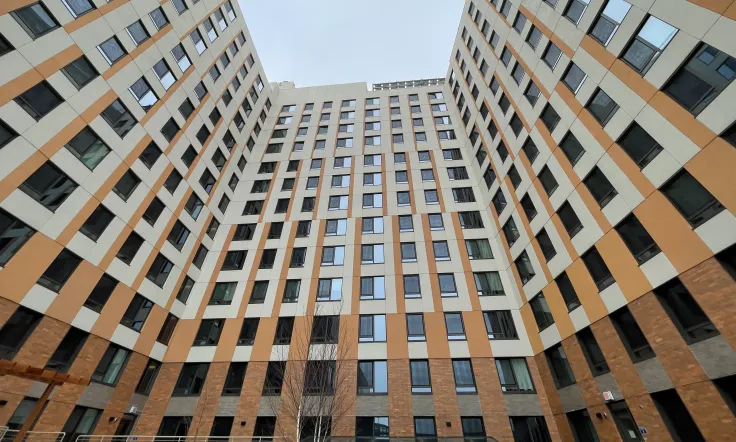
Mixed-use façades → iWALL curtain walls applied different SHGC/VT packages to southern vs. northern exposures, balancing daylight, energy use, and comfort across the façade.
SHGC and VT are more than metrics; they are design levers that define façade performance. With INTUS, project teams don’t have to choose between daylight and comfort, or aesthetics and efficiency.
By tailoring glazing to climate, orientation, and certification goals, our product systems give architects, developers, owners, and contractors confidence that their façades will perform today and for decades to come.
Contact our façade specialists for a project-specific SHGC/VT consultation.