Blog
How Can Windows Help You Save Energy?
Windows is often an overlooked element in energy efficiency, yet it plays a pivotal role in the building and construction sector. As energy costs rise and sustainability becomes a core business objective, choosing energy-efficient windows can greatly reduce energy consumption and operational expenses for commercial projects in the U.S. Let’s explore how energy-efficient windows can drive significant savings and help your business stay competitive!
1. Insulation: The Foundation of Energy Efficiency
The insulation properties of your windows are key to improving energy performance. Poor insulation results in heat loss during colder months and excessive heat gain during warmer months, increasing the strain on HVAC systems. Energy-efficient windows featuring double or triple glazing and Low-E (Low-Emissivity) coatings are specifically designed to reduce heat transfer and enhance insulation.
Double and Triple Glazing: These multi-layered glass panes trap gases such as argon or krypton between the panes, improving insulation. This helps maintain a stable indoor environment, reducing heating and cooling demands across seasons.
Low-E Glass: A Low-E coating reflects infrared (heat) while allowing visible light to pass through, keeping indoor spaces warm in the winter by retaining heat and cool in the summer by reducing solar heat gain.
2. Framing Materials: Polymer and Aluminum for Enhanced Efficiency
In the U.S. construction sector, selecting the right window frame material is crucial for energy performance and durability. Both polymer and aluminum offer distinct advantages for commercial projects:
Polymer: Known for excellent insulation, polymer prevents heat transfer, reducing energy loss. It’s also durable, low-maintenance, and weather-resistant, ideal for commercial buildings prioritizing energy efficiency.
Aluminum: Although aluminum conducts heat, modern frames include thermal breaks, which are insulating barriers that reduce heat transfer. Aluminum is strong and lightweight, making it suitable for large commercial installations requiring both strength and energy efficiency.
3. Sealing and Air Tightness: Maximize Efficiency with Proper Installation
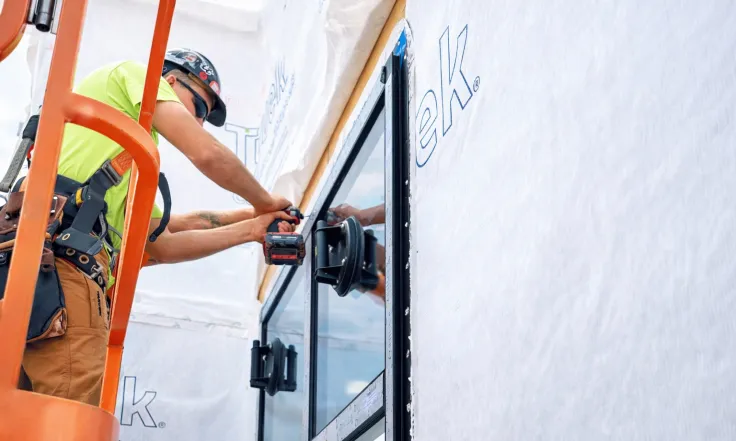
Even with the best technology, poor installation can lead to inefficiencies and increased operational costs. In the U.S. construction sector, proper sealing and airtight installation are critical to maintaining energy efficiency and meeting building code standards like ASHRAE or the IECC. Drafty windows allow temperature fluctuations, driving up energy usage.
At INTUS Windows, we provide project-specific installation training for every job. This free training equips your team with advanced sealing techniques like weather stripping and caulking to ensure airtightness and optimal energy performance. Proper training minimizes accidents, speeds up project timelines, and enhances site safety. Ready to boost your project’s efficiency? Reach out to us today to get started!
4. Solar Heat Gain Coefficient (SHGC): Optimize Sunlight for Energy Savings
The Solar Heat Gain Coefficient (SHGC) is an important factor when selecting windows for U.S. projects, as it measures how much solar radiation passes through. Adjusting SHGC based on the region can significantly impact energy savings:
5. Reducing Reliance on Artificial Lighting
Properly positioned windows can reduce the need for artificial lighting, lowering energy use. For U.S. commercial projects, maximizing daylight through larger windows or daylighting strategies not only reduces lighting costs but can also enhance occupant well-being. Combining this with Low-E coatings ensures natural light without unwanted heat gain, increasing the building’s overall energy efficiency.
6. Long-Term Savings and ROI
While energy-efficient windows may require a higher upfront investment, the long-term savings are substantial. Reduced heating and cooling expenses provide a strong return on investment (ROI), and projects incorporating energy-efficient designs can qualify for U.S. tax credits and incentives tied to LEED, ENERGY STAR, or PASSIVE HOUSE certifications. This makes energy-efficient windows an attractive choice for both new builds and retrofits.
7. Environmental Impact and Regulatory Compliance
Energy-efficient windows support your business in meeting sustainability goals and complying with U.S. regulations like ASHRAE or IECC standards. By reducing a building’s carbon footprint, these windows help meet sustainability certifications such as LEED and ENERGY STAR, enhancing corporate social responsibility (CSR) efforts and positioning your business as a leader in environmental stewardship. Their durability means fewer replacements and lower maintenance costs, further supporting long-term sustainability goals.
For U.S. businesses in the building and construction sector, energy-efficient windows are a strategic investment that improves energy performance, reduces operational costs, and ensures compliance with environmental regulations. Whether retrofitting an existing building or planning a new construction project, incorporating energy-efficient windows is an effective way to save energy, lower costs, and meet sustainability goals.